The Molecular Revolution—Real-World AI Success in Canada’s Chemical Sector
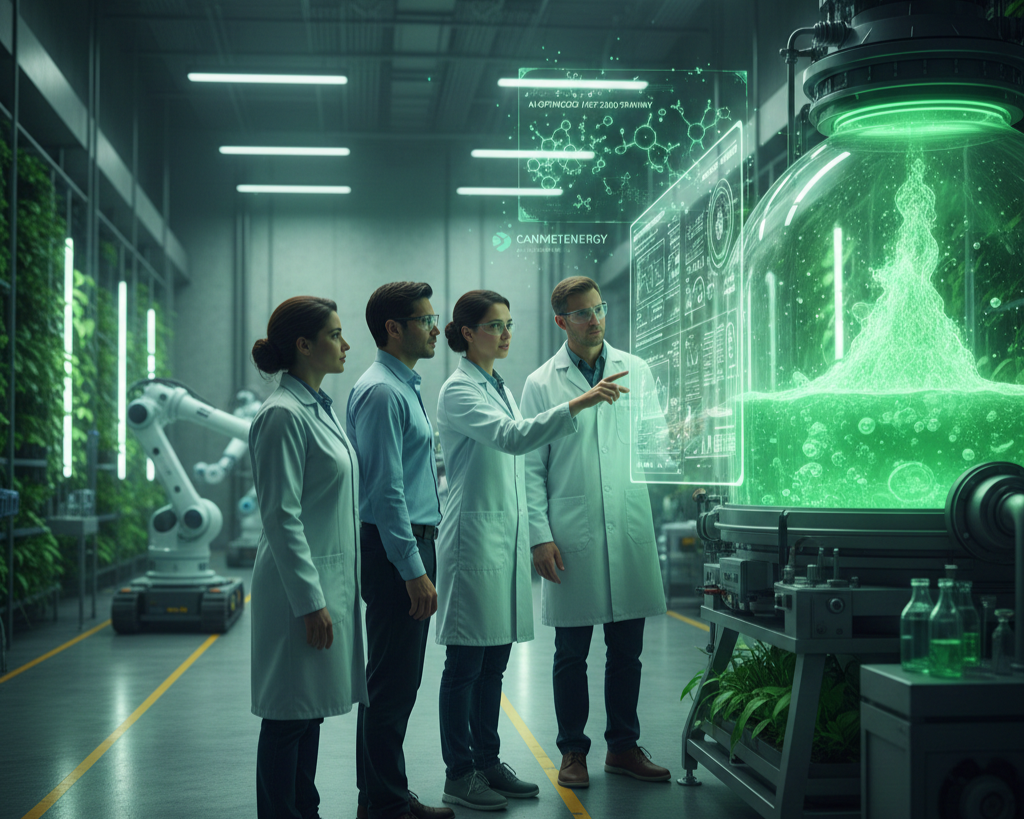
As Canada charges toward its 2050 net-zero targets, the chemical industry—a $30 billion pillar of the national economy—is undergoing a digital metamorphosis. While historically risk-averse, Canadian firms are now leveraging the nation’s "AI-first" reputation to solve complex molecular puzzles and optimize massive industrial footprints.
1. Actual Cases of AI Implementation
A. Molecule & Catalyst Discovery (R&D)
The traditional "trial-and-error" method in chemistry is slow and capital-intensive. AI is turning this linear process into a rapid, multi-dimensional search.
CanmetENERGY (Natural Resources Canada): At their Devon, Alberta facility, researchers are pioneering "Petroinformatics." This digital platform uses AI to characterize complex hydrocarbon and renewable feedstocks at a molecular level. By predicting how these molecules will react under different refining conditions, they reduce physical lab experimentation by months, accelerating the development of cleaner transportation fuels.
University of Toronto / Acceleration Consortium: Home to some of the world’s most advanced "Self-Driving Labs" (SDLs). These labs combine AI, robotics, and high-throughput synthesis to autonomously design and test new materials. For example, they are currently developing high-performance polymers for solar cells and sustainable coatings, where the AI "decides" which experiment to run next based on the results of the previous one.
B. Process Optimization & Emissions Control
In manufacturing, AI acts as a "digital brain" for chemical reactors, balancing the delicate trade-offs between yield, energy use, and carbon footprint.
BASF Canada: Beyond their xarvio™ "Digital Farming" tools, BASF uses machine learning for predictive maintenance on massive rotating equipment. By analyzing vibration and temperature data from IoT sensors, the AI identifies early signs of wear in pumps and motors, allowing repairs to happen before a catastrophic shutdown occurs. This has been shown to reduce unplanned downtime by up to 15%.
Waste-to-Energy Optimization: Canadian firms are applying AI to analyze the "calorific value" of heterogeneous waste feedstocks in real-time. Because waste composition varies, AI adjusts furnace oxygen levels and temperatures instantly to maintain steady energy output while keeping greenhouse gas (GHG) emissions within strict regulatory limits.
C. Supply Chain & Logistics
Moving hazardous materials across Canada's vast geography involves high stakes. AI is the new standard for safety and efficiency.
SCALE AI Projects: This Montreal-based global innovation cluster has funded multiple initiatives to modernize chemical logistics. One key application is real-time risk detection, where AI models process weather data, infrastructure status, and traffic patterns to predict delays. This allows companies to reroute hazardous shipments proactively, preventing bottlenecks in the national supply chain.
From Pioneers to Mainstream Integration
The case studies of CanmetENERGY, BASF Canada, and the Acceleration Consortium represent more than just isolated technical wins; they are the blueprint for a high-performance, low-carbon Canadian chemical sector. By moving away from slow, manual experimentation and toward AI-driven "Self-Driving Labs" and predictive process controls, Canada is proving that industrial heritage and cutting-edge innovation are not mutually exclusive.
As we move into 2026, the stakes for the industry have never been higher. With global chemical production facing volatility and the domestic push for net-zero emissions intensifying, AI has shifted from a "nice-to-have" research tool to a core competitive necessity. The successful deployment of AI in these facilities has already demonstrated a clear path to reducing R&D timelines from years to months and cutting unplanned downtime by up to 15%.
For the broader Canadian chemical landscape, the message is clear: the technology is no longer in the "lab" phase—it is on the factory floor. The companies that thrive in this new era will be those that view AI not just as a software upgrade, but as the fundamental catalyst for the next generation of sustainable chemical manufacturing.