


Chemical R&D Tools: The Digital Technologies Accelerating Formulation and Innovation
Explore the latest digital tools transforming chemical R&D—from AI-powered formulation platforms to predictive modeling and data management systems. Learn how Chemcopilot supports faster, safer, and more sustainable innovation in the lab.

What Is PLM in Chemical Engineering?
Learn what PLM means in chemical engineering and why it’s essential for managing formulations, regulatory compliance, and sustainability. Discover how Chemcopilot enhances PLM with AI and CO₂ tracking to drive smarter, greener product development.
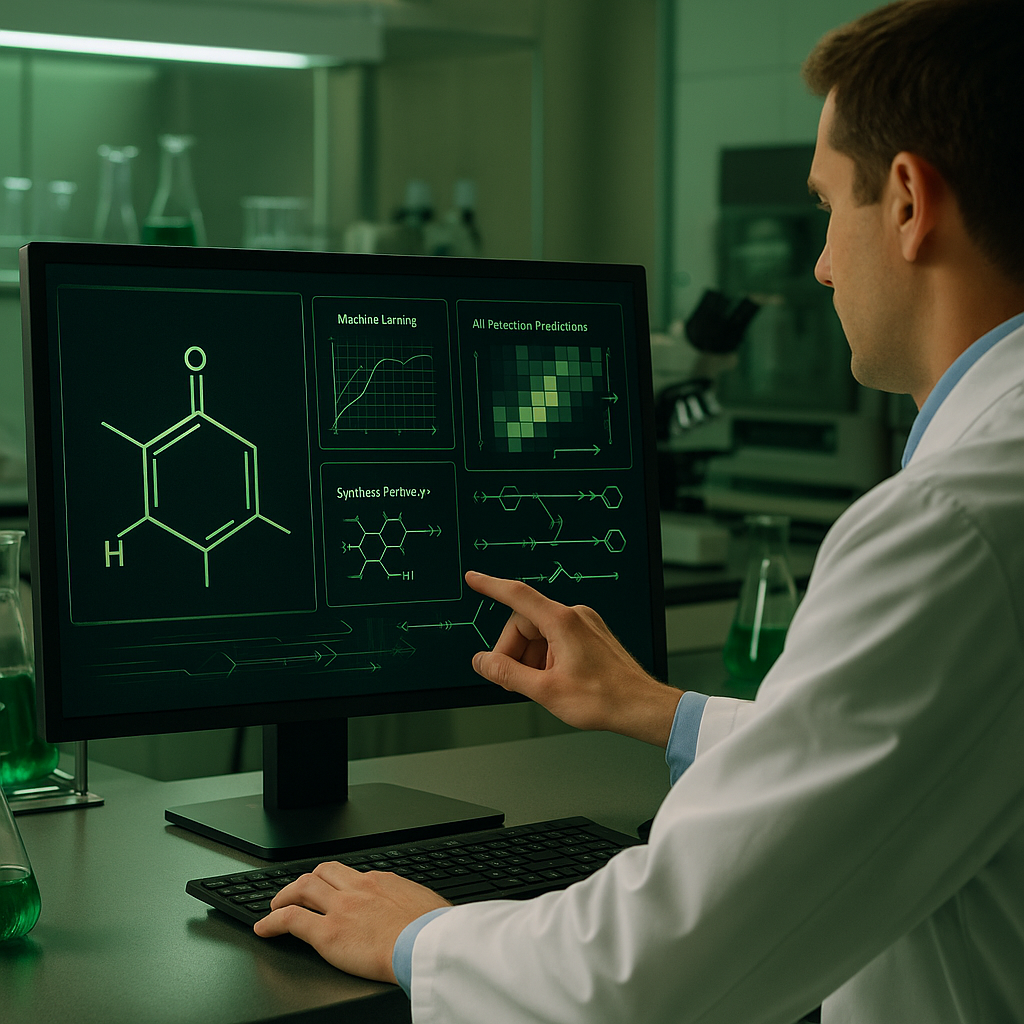
What Is an AI Chemistry Solver and How Does It Work
Discover how AI chemistry solvers are transforming chemical R&D by predicting reactions, optimizing formulations, and reducing CO₂ emissions. Learn how Chemcopilot combines artificial intelligence with sustainability for smarter, greener innovation.

Optimizing Pet Product Formulation with PLM: Version Control, Substitutions, and Traceability
Discover how PLM systems support smarter formulation in the pet industry—from BOM version control to ingredient substitutions and regulatory compliance. See how tools like Chemcopilot bring AI into the mix.

Version Control in PLM: How to Manage Formulation Changes Effectively
Explore how version control in Product Lifecycle Management (PLM) helps chemical manufacturers manage formulation changes effectively — ensuring traceability, regulatory compliance, and innovation at scale.

AI-Powered Chemical Reaction Prediction: Accelerating Discovery and Sustainable Innovation
Discover how artificial intelligence is transforming chemical reaction prediction, reducing experimental costs, accelerating innovation, and enabling sustainable formulation design.

The Role of PLM in Accelerating Time-to-Market for New Chemical Products
Discover how Product Lifecycle Management (PLM) systems accelerate time-to-market in the chemical industry by streamlining collaboration, automating compliance, and linking R&D to manufacturing with real-time insights.

How PLM Supports Green Chemistry and Sustainable Formulation Development
Learn how Product Lifecycle Management (PLM) systems help chemical companies advance green chemistry by supporting sustainable formulation, regulatory compliance, and eco-innovation at every stage of product development.

Is Your Chemical Product Development Ready for PLM?
Is your chemical product development process ready for PLM? Use this smart checklist to find out. Instantly get feedback with Chemcopilot's auto-comments and identify areas for innovation, compliance, and digital integration.

Formulation BOM vs Manufacturing BOM: Managing Both in PLM
Learn why managing both Formulation BOM and Manufacturing BOM is critical in the chemical industry, and how advanced PLM systems help ensure compliance, efficiency, and innovation.

Understanding Specific Safety Data Sheet (SDS) Formats: A Guide for Chemical Manufacturers
Explore how Safety Data Sheet (SDS) formats vary across the U.S., EU, Brazil, India, Korea, and more — and how PLM and AI tools like Chemcopilot simplify regulatory compliance in chemical manufacturing

How to Select the Right PLM System for a Chemical Company
Discover how to select the right PLM system for chemical companies by focusing on industry-specific needs, regulatory compliance, integration with ERP and lab systems, sustainability, and vendor expertise.

PLM Change Management: Linking R&D, QA, and Regulatory Teams in Chemical Manufacturing
Learn how Product Lifecycle Management (PLM) streamlines change management in chemical manufacturing by aligning R&D, QA, and Regulatory teams through a centralized, compliant, and collaborative workflow.

Why Product Lifecycle Management (PLM) Is Becoming Essential for Regulatory Compliance in Chemical Manufacturing
Learn how Product Lifecycle Management (PLM) helps chemical manufacturers ensure regulatory compliance by centralizing data, automating documentation, and managing global standards efficiently.

How Product Lifecycle Management (PLM) Supports Green Chemistry in the Chemical Industry
Discover how PLM systems enable sustainable formulation, CO₂ tracking, and greener innovation in chemical manufacturing by embedding green chemistry principles across the product lifecycle.

Bridging the Gap: Integrating ERP and Product Lifecycle Management in the Chemical Industry
Discover how integrating ERP and Product Lifecycle Management (PLM) systems transforms operations in the chemical industry. Learn from real-world use cases and see how AI enhances compliance, efficiency, and sustainability.

Formulation Machine Learning Tools: How AI Is Optimizing Chemical Synthesis and Product Performance
Discover how AI-powered formulation design is transforming industries like pharmaceuticals, agrochemicals, cosmetics, and more. Learn how tools like Chemcopilot accelerate innovation, improve safety, and support sustainable product development.

AI + Chemicals: What It Is and What to Expect from the Future of Artificial Intelligence in Chemistry
Discover how artificial intelligence is transforming the field of chemistry — from drug discovery and materials science to pesticide toxicity and sustainable innovation. Learn what AI in chemistry means and what to expect in the near future.

Can Factories Clean the Air? The Future of Carbon-Negative Manufacturing
Explore how tomorrow’s factories can become climate solutions — capturing CO₂, using renewable energy, and turning emissions into valuable products. Dive into carbon-negative manufacturing and see how tools like Chemcopilot accelerate this transition.

2030 Vision: How Chemistry, AI, and CO₂ Utilization Are Rebuilding the Future
Discover how green chemistry, AI, and innovative CO₂ utilization technologies are shaping the future of sustainable manufacturing by 2030. Explore breakthroughs like direct air capture, carbon-based building materials, electrification, and bio-based feedstocks driving the transition to a carbon-negative economy.