

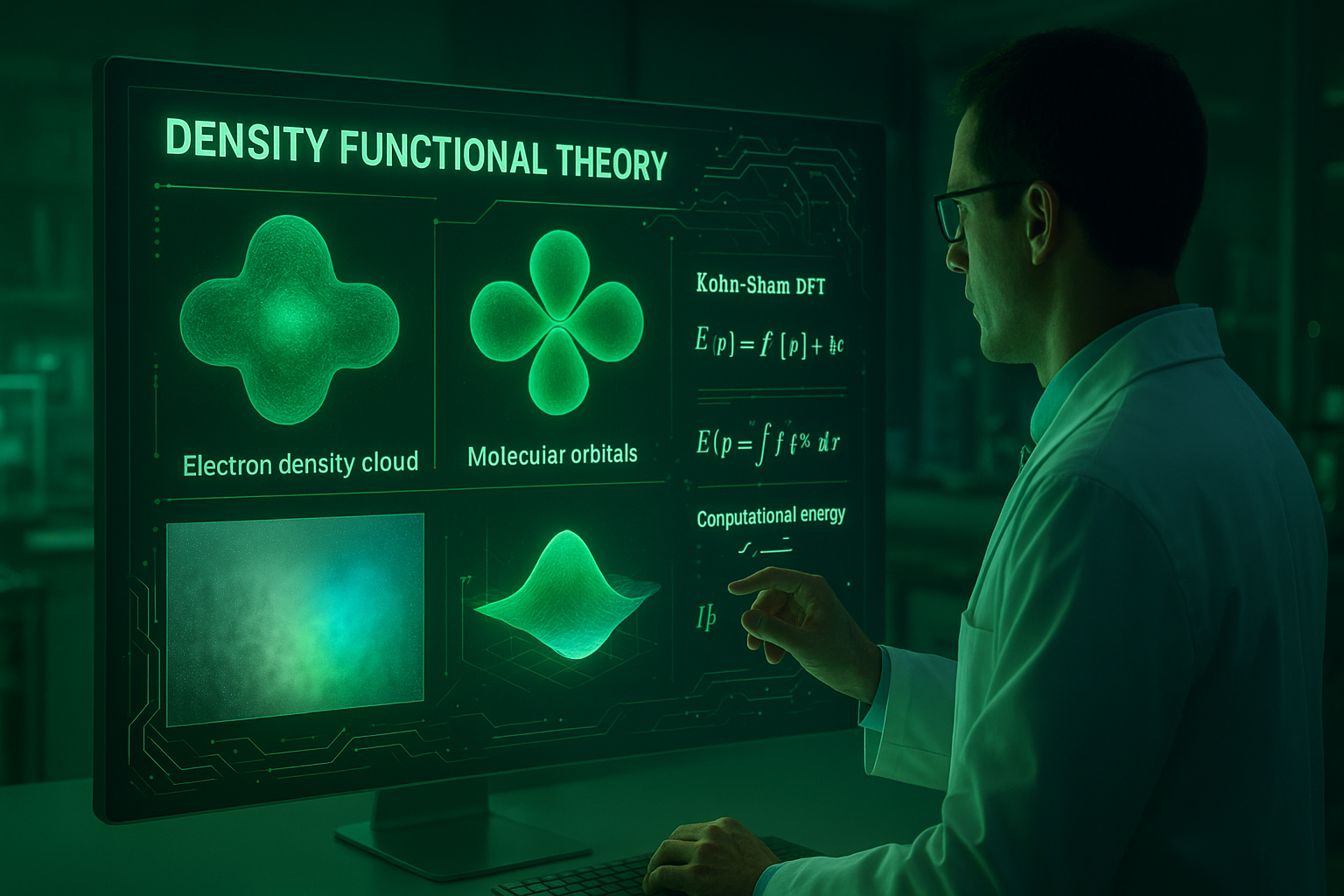
What is DTF? Unpacking Density Functional Theory (DFT) in Chemistry
What is DFT? Learn how Density Functional Theory revolutionized quantum chemistry. Discover how it uses electron density to model molecular properties, catalysis, and material design.
The $600B US Chemical Market: Trends Shaping 2025–2030Meta Description (155 characters)
Explore the trends reshaping the $600B US chemical market from 2025–2030, including reshoring, advanced materials, electrification, hydrogen, and AI-led innovation.
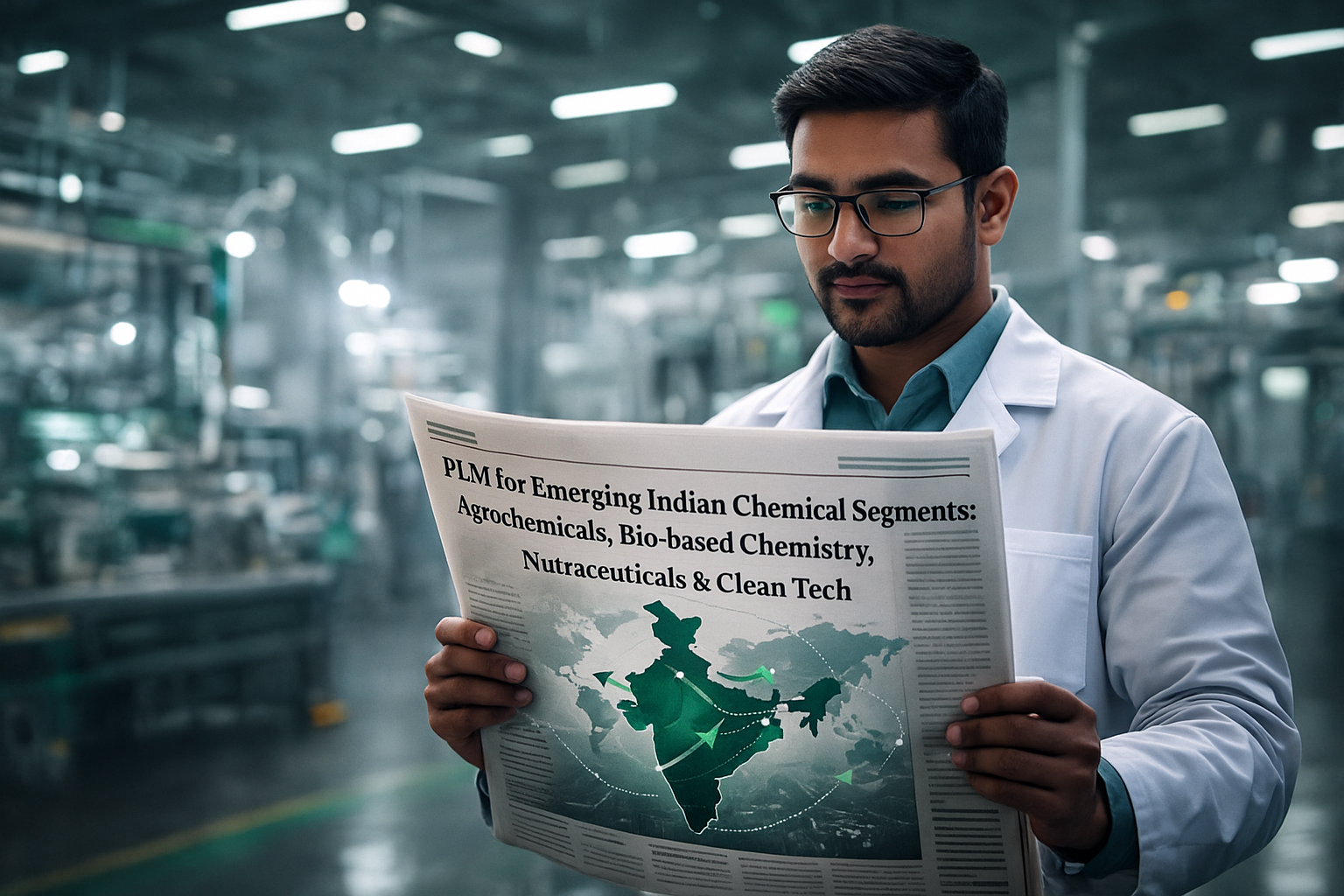
PLM for Emerging Indian Chemical Segments: Agrochemicals, Bio-based Chemistry, Nutraceuticals & Clean Tech
Discover how PLM empowers India’s agrochemical, nutraceutical, bio-based and clean-tech industries with traceability, faster innovation and regulatory readiness.
AI & Green Chemistry in Fusion Recycling: The New Frontier of Circular Innovation
Unlock circular innovation with Fusion Recycling. Learn how Chemcopilot's AI uses high-dimensional data to stabilize complex waste streams and meet Green Chemistry goals.

Real-World Evidence (RWE): The Missing Dimension in Chemical Innovation
Lab data is not enough. Learn why RWE is the missing dimension in chemical R&D. Chemcopilot's AI handles all data formats (PDFs, video) for true performance validation.

Modernising Sun Care: What the New U.S. Law Means for Chemistry, AI, and Sustainable Innovation
Learn how the U.S. sunscreen regulation overhaul (H.R. 5371) modernizes GRASE reviews, mandates non-animal testing alternatives, enables real-world evidence, and accelerates UV filter innovation. Insights for chemists, formulators, and sustainability leaders.
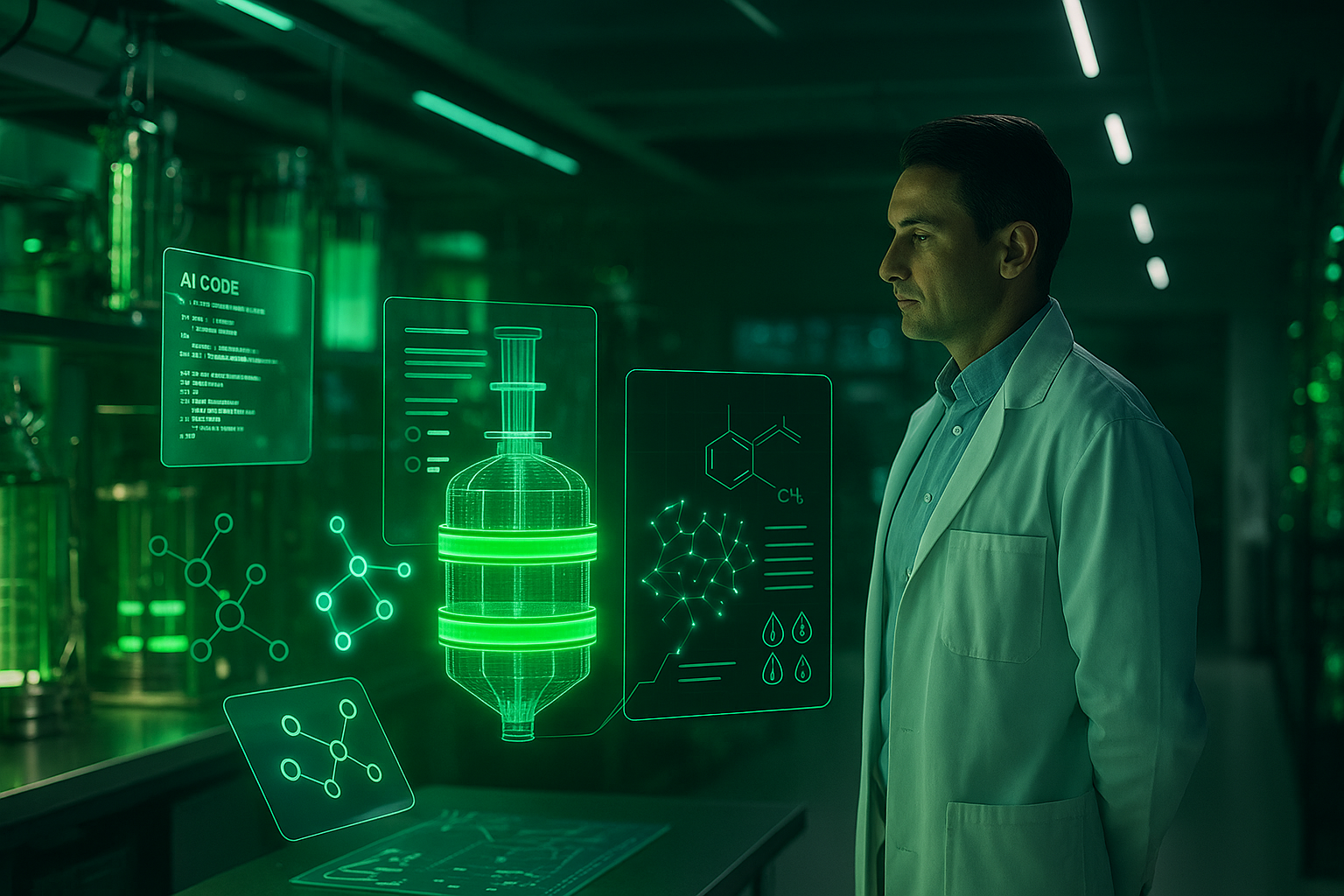
How Chemical Companies in India Can Select the Right PLM System: An AI-Native Guide for Modern R&D
A quick guide to choosing a PLM built for real chemical complexity — from AI-native capabilities to compliance and formulation intelligence.

Brazil at COP 30: How AI-Driven Chemistry Can Turn the Climate Challenge into Industrial Opportunity
As COP 30 approaches in Belém, Brazil stands at the crossroads of sustainability and pollution. Discover how AI is transforming chemistry into a precision tool for climate action — optimizing resources, reducing emissions, and unlocking a new era of green industrial intelligence.

Chemistry Development Kit (CDK): Open-Source Power Meets Industrial AI with Chemcopilot
Discover how the Chemistry Development Kit (CDK) combines open-source innovation with Chemcopilot’s industrial AI to accelerate molecular discovery, optimize chemical processes, and drive sustainable R&D in modern chemistry.
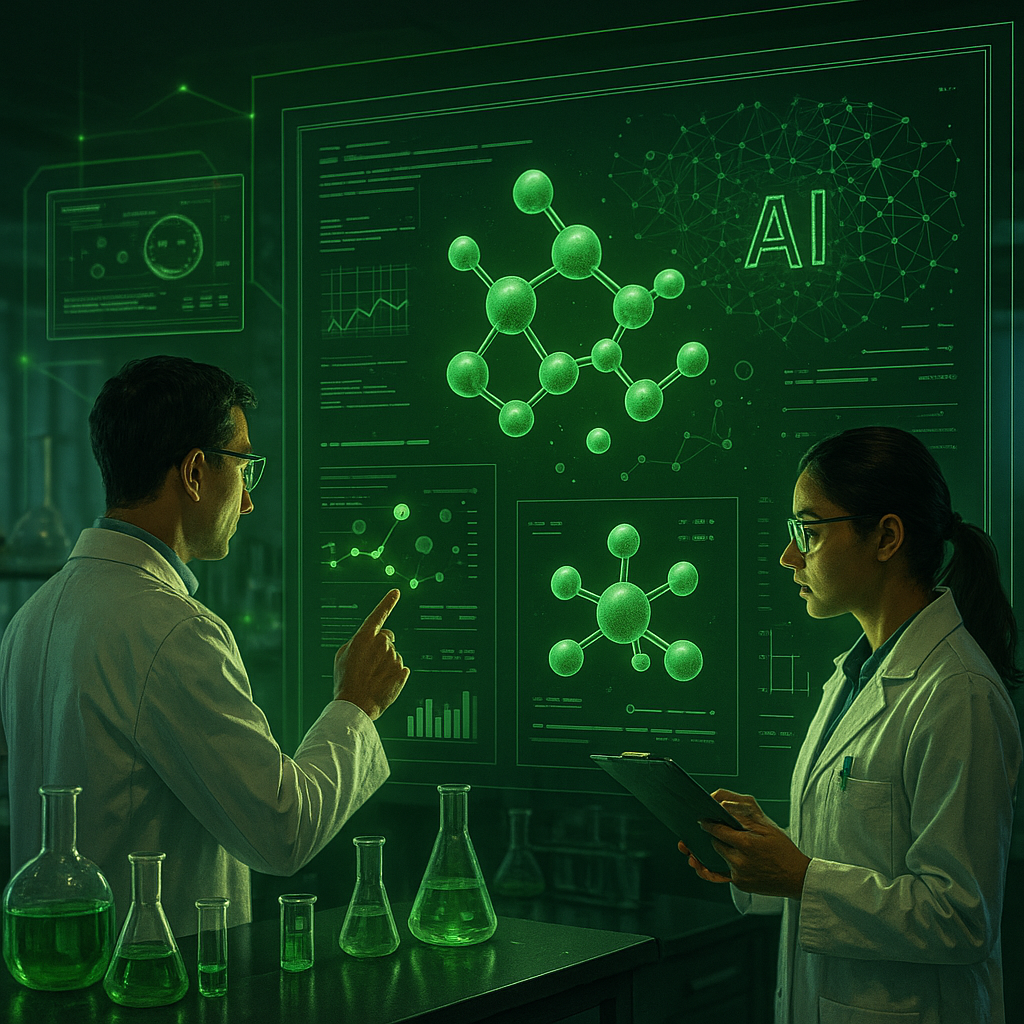
From Data Chaos to Digital Chemistry — How Indian Manufacturers Can Build Connected Operations
Discover how AI-driven PLM and digital integration can transform India’s chemical labs into connected, sustainable, and innovation-ready operations.
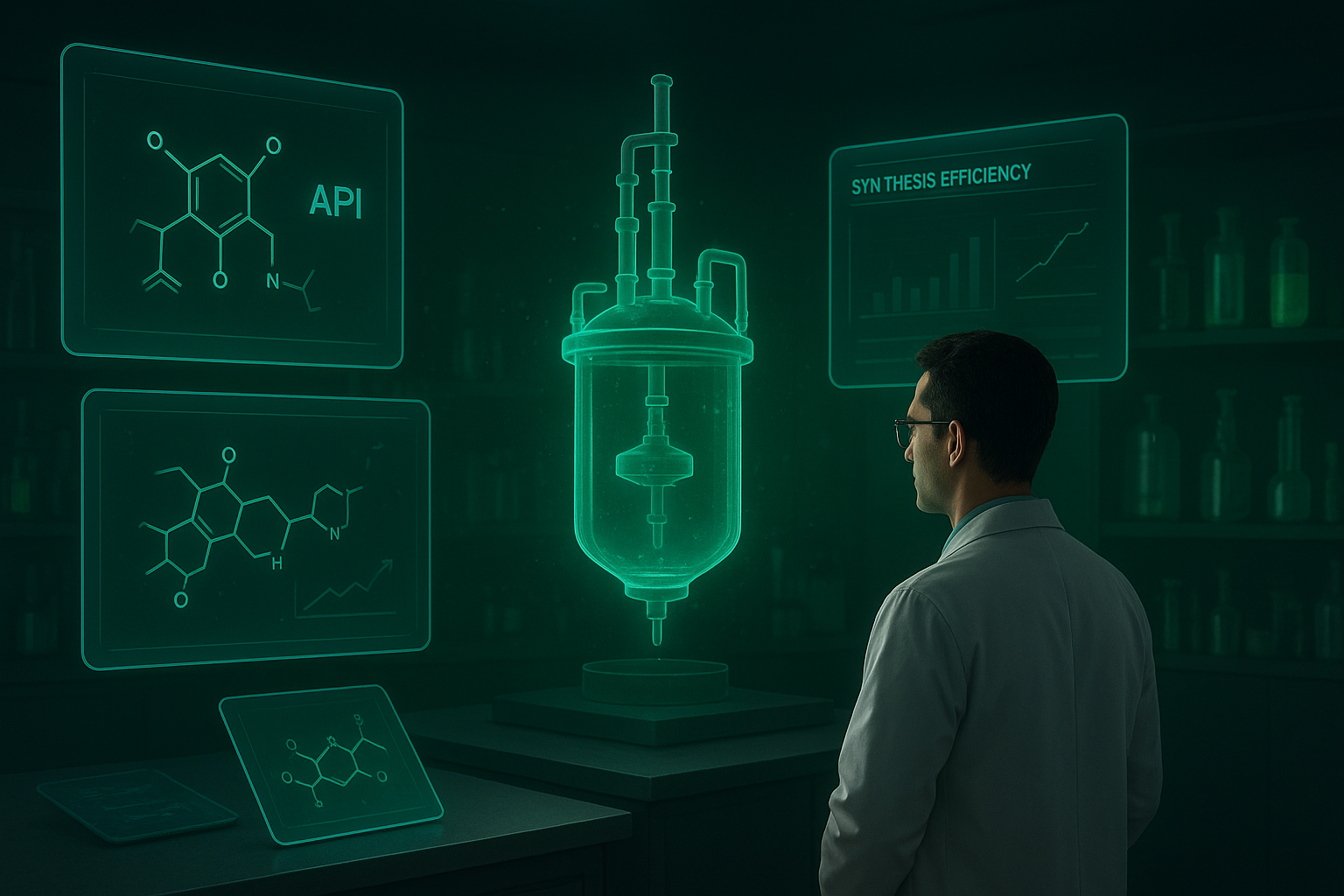
AI in Active Pharmaceutical Ingredients (APIs): Managing and Improving Pharmaceutical Innovation
Explore how AI is transforming the management and optimization of Active Pharmaceutical Ingredients (APIs). Learn how ChemCopilot uses AI to accelerate API discovery, improve process control, ensure compliance, and drive sustainable pharmaceutical innovation.
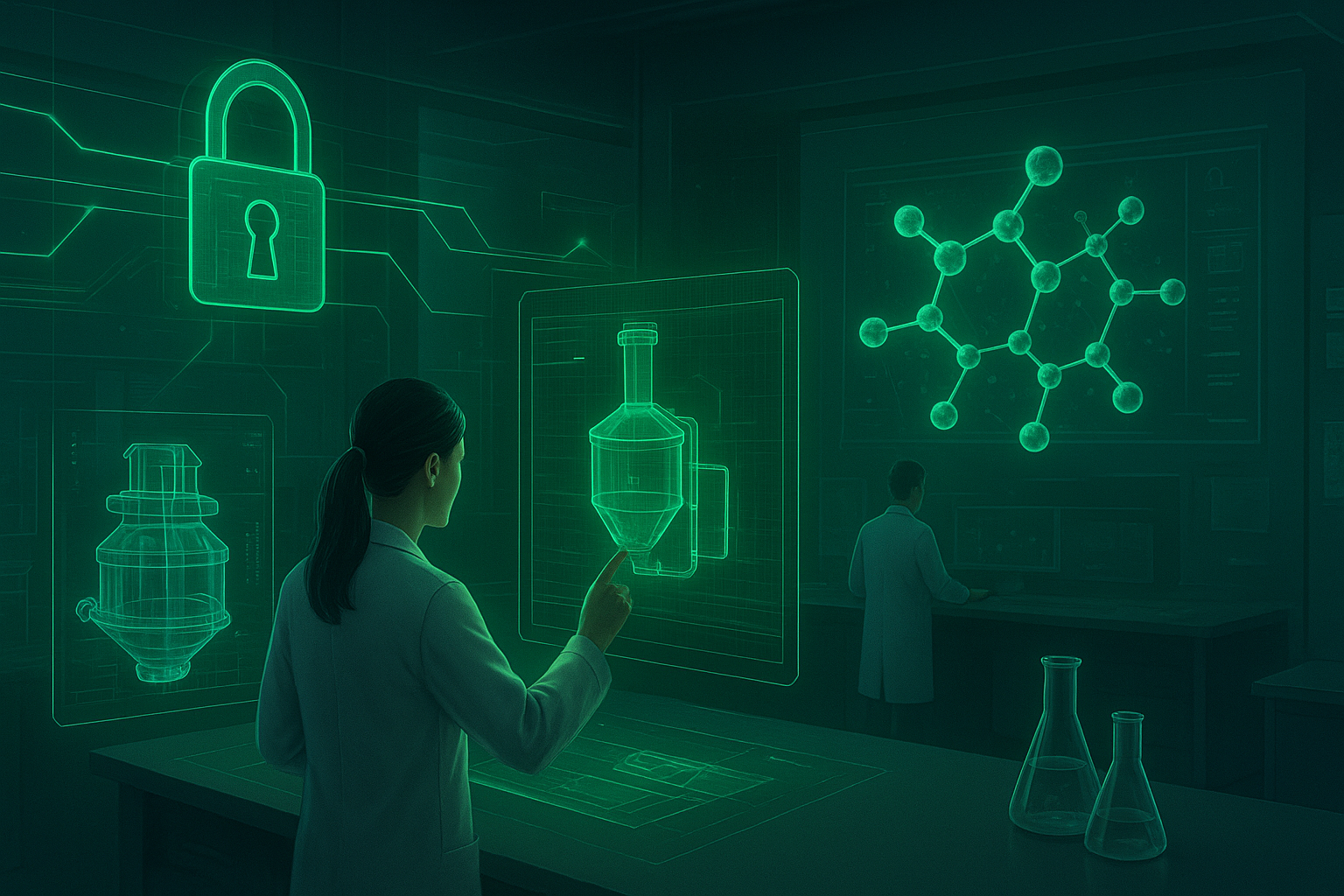
From TLS to IGS: Securing and Accelerating the Digital Future of Chemical and Biological Data
In AI-driven chemistry and life sciences, TLS ensures data security while IGS defines data interoperability—from 3D equipment models to immunological gene signatures. Discover how these acronyms shape the secure and intelligent ecosystem of tomorrow’s digital laboratories.
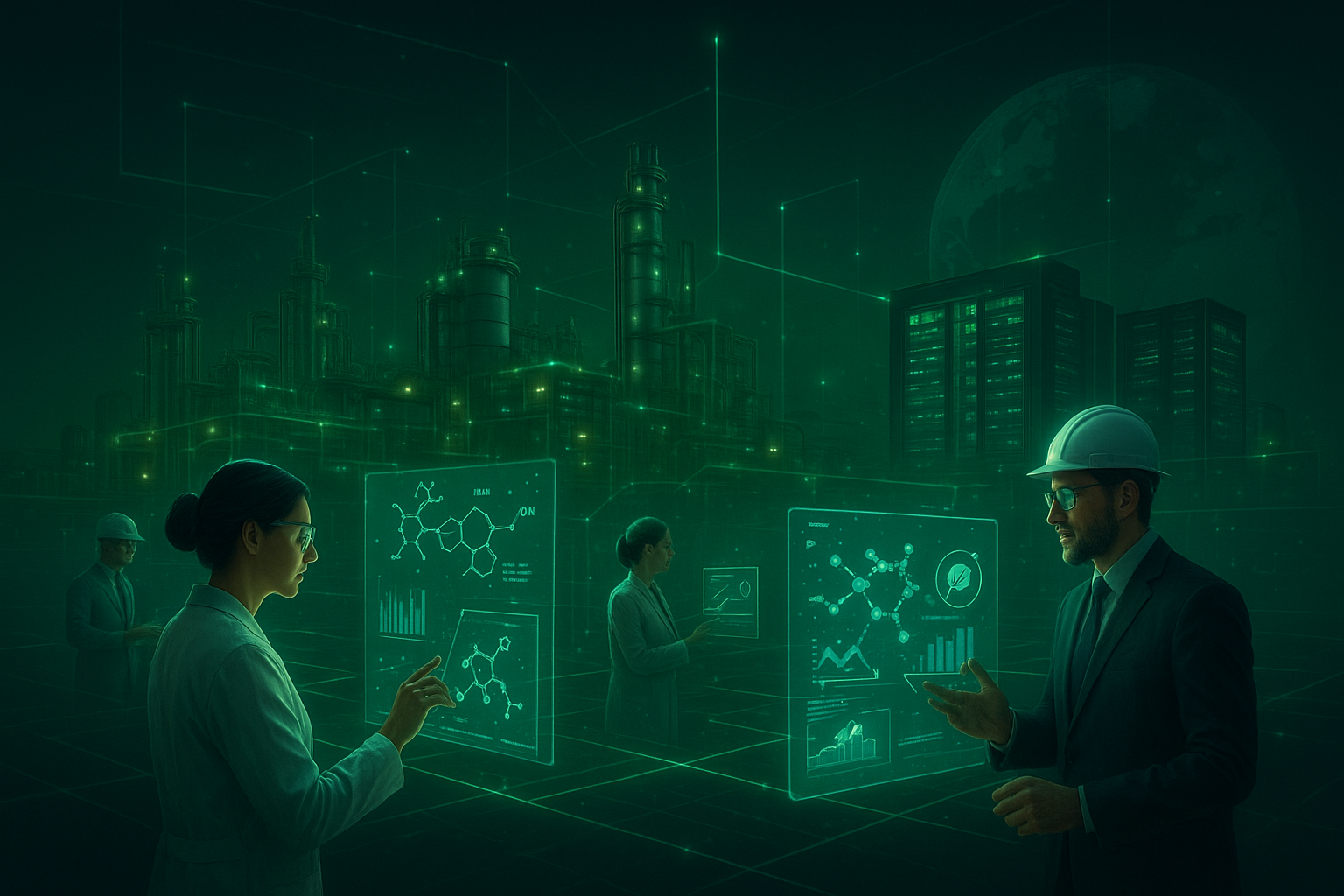
Digital Transformation in the Global Chemical Industry: From Tacit Knowledge to AI-Driven Ecosystems
Discover how the global chemical industry is embracing digital transformation — from tacit human knowledge to AI-driven ecosystems. Explore how interconnected labs, factories, and intelligent data systems are shaping a new era of sustainable, data-centric chemistry.

MATLAB, AI, and Chemistry: Revolutionizing Research and Development
Discover how MATLAB integrates AI in chemistry to accelerate research, optimize processes, and drive sustainable innovations in chemical R&D.

What Is a Digital Twin? Bridging the Physical and Digital Worlds in Chemical Manufacturing
Discover how digital twins are transforming the chemical industry. Learn how AI, IoT, and real-time data integration enable virtual replicas of reactors, plants, and formulations — driving efficiency, safety, and sustainability in next-generation chemical manufacturing with Chemcopilot.

Best PLM Software & Their Main Industry Applications
Discover the best PLM software solutions and their main industry applications — from aerospace and automotive to electronics, medical devices, and fashion. Learn how modern PLM systems streamline collaboration, manage complex BOMs, and accelerate innovation across the product lifecycle.

Industrial Production of Acetic Anhydride: Process Details, Equipment, and Applications
Explore the industrial production of acetic anhydride in depth — from raw materials and catalytic processes to key equipment like reactors and distillation columns. Learn about its main applications in pharmaceuticals, cellulose acetate, and chemical synthesis, and how digital tools like Chemcopilot enhance process optimization and sustainability.
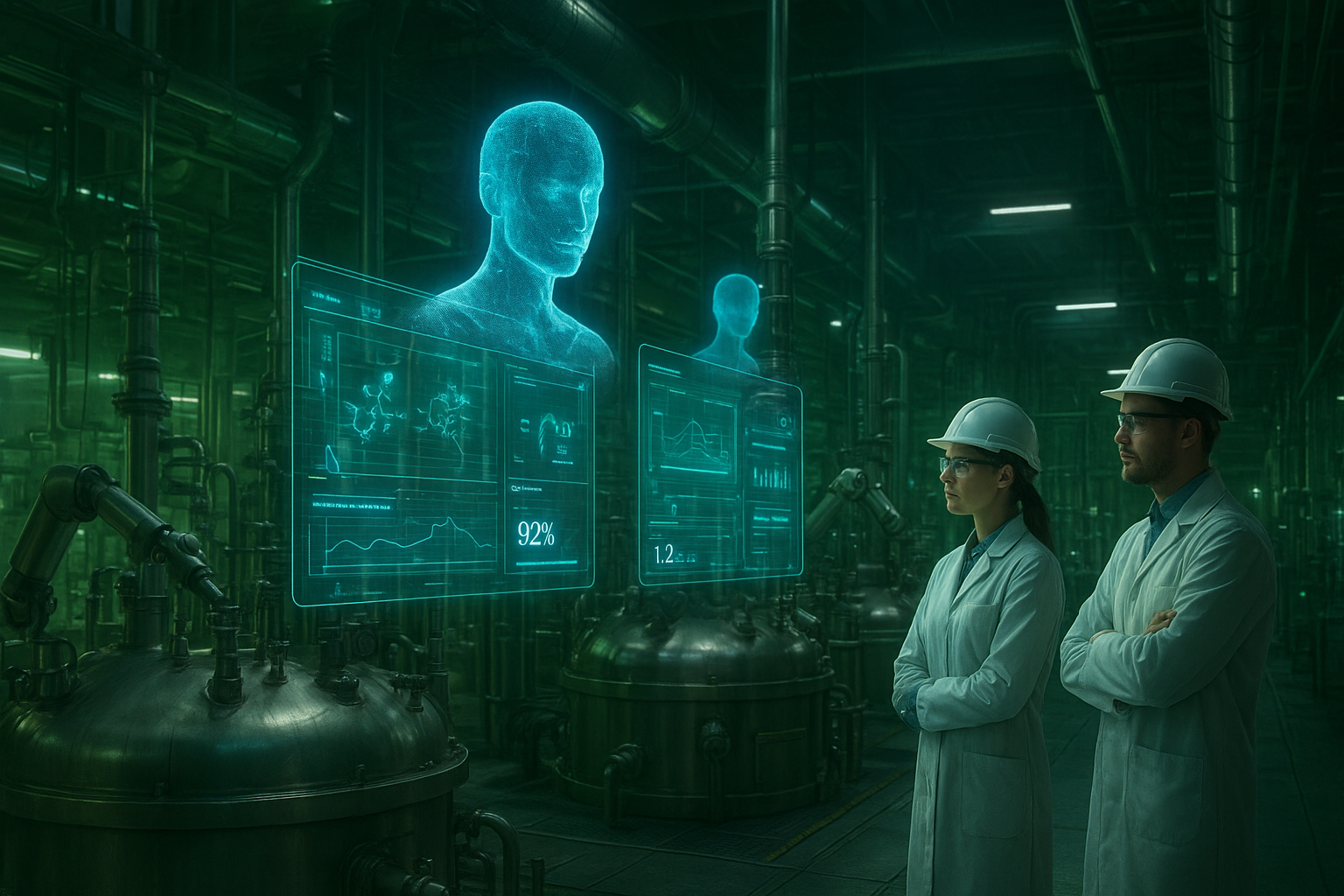
Computational Fluid Dynamics (CFD) & Chemical Process Optimization
Discover how AI agents are transforming chemical process optimization, CFD and moving beyond traditional simulations to intelligent, adaptive systems that improve efficiency, reduce waste, and accelerate innovation in chemical manufacturing.

Artificial Intelligence in Chemical Engineering: A Complete Guide
Explore how artificial intelligence is transforming chemical engineering—from R&D and formulation design to process optimization, digital twins, and sustainability. Learn how AI-driven tools like Chemcopilot enable a smarter, safer, and more efficient future for the chemical industry.

Inside ChemCopilot: How Our AI Agents Learn Securely in Your R&D Environment
ChemCopilot ensures AI security in chemical R&D through isolated AI agents, AWS enterprise infrastructure, and federated isolation — protecting intellectual property while enabling smarter and safer innovation.